
The Classroom

These posts go in “The Classroom” portion of the site and are focused on teaching and learning with AI.

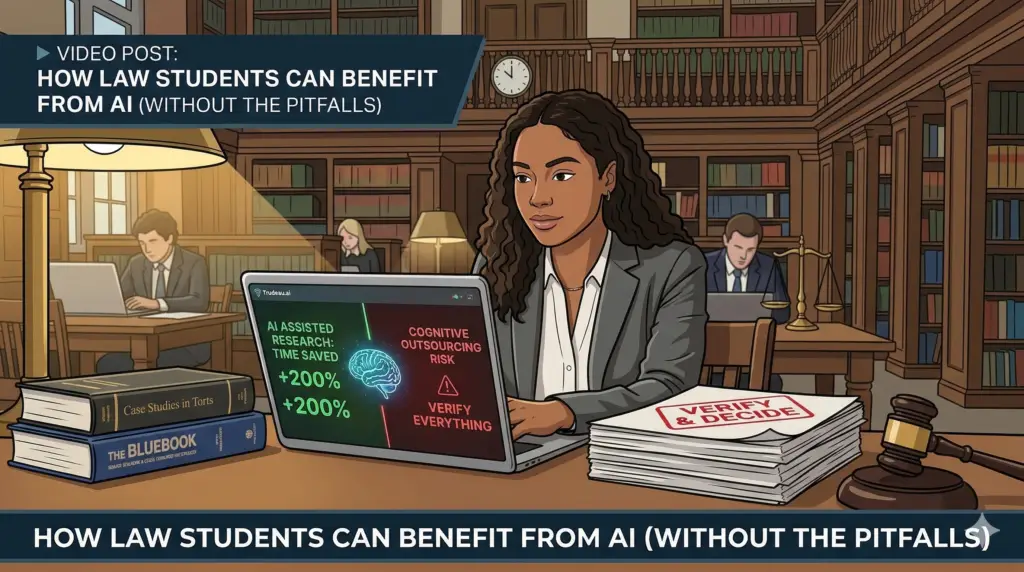
Picture of a student sitting in a law library on a laptop.
The Classroom

Video: How Law Students Can Benefit from AI (While Avoiding the Pitfalls)

I’ve centered this post on a video where I tackle the ultimate paradox for law students: AI can double your learning gains, but it can also end your career before it starts. I dive into a concept I call “cognitive outsourcing”—the temptation to hand off hard mental work to a machine just because the output looks polished. Watch the full breakdown to see why “automation bias” is a silent killer and how to implement a four-step workflow that builds your legal judgment instead of replacing it. It’s about augmenting your intelligence, not outsourcing your brain.
ai literacy for law students post photo
The Classroom

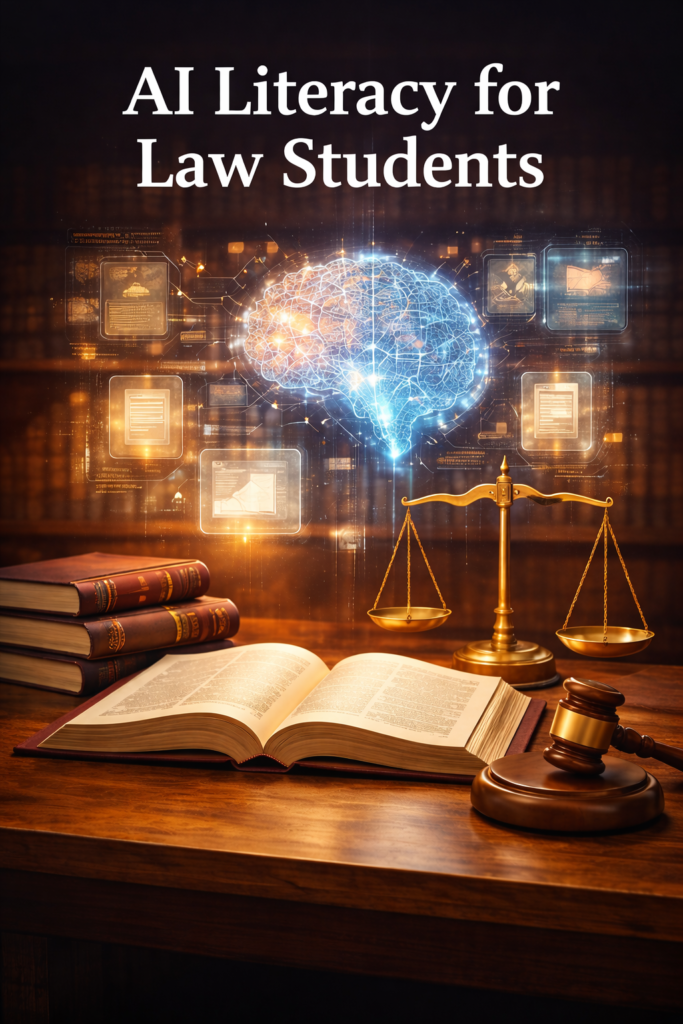
AI Literacy for Law Students

This guide is about how to use AI in law school without letting it do the thinking for you. AI can make work feel easier and more finished than it really is. That’s useful in some moments and risky in others, especially when you’re still learning how to exercise legal judgment. The goal isn’t to avoid these tools. It’s to use them in a way that actually helps you become a better lawyer. Download the free guide to learn more.

ai and legal education brain
The Classroom

How to Build Your Own AI Tutor

The guide explains how to build an AI tutor that supports real learning rather than replacing it. It assumes you have already accepted that students are using AI and focuses on the harder work of designing boundaries, structure, and responsibility into how that AI shows up in your course.

A quiet study desk in natural light, open notebook and pen, a laptop, minimal clutter
The Classroom

Welcome to the Classroom

The Classroom is where Trudeau.ai stops thinking out loud and start helping you learn. This is a space for learning skills like clear writing, AI-assisted thinking, and professional judgment in a world where tools are powerful and human decisions still matter.

Scroll to Top